|
Lorenzo De Sanctis I'm a PhD student at the Creative Machines Lab in the Department of Mechanical Engineering of Columbia University, advised by Professor Hod Lipson. I primarily focus on mechanical measurements for robotic applications. Other research interests are computer vision in mechanical engineering, artificial intelligence, and biomechanics. I earned my BSc in Industrial Engineering at Campus Bio-Medico University, where I was also a research collaborator, working on sensors and methods for biomechanics. |

|
ResearchI work on the design and fabrication of sensorized mechanical systems: tactile and proprioceptive sensing for robots, and measurement for robotics at large, from understanding machines to capturing human motion. Representative papers are highlighted. |
|
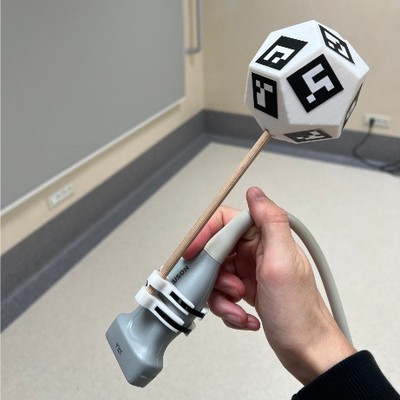
Six-Degree-of-Freedom Freehand 3D Ultrasound: A Low-Cost Computer Vision-Based Approach for Orthopedic Applications
Lorenzo De Sanctis, Arianna Carnevale, Carla Antonacci, Eliodoro Faiella, Emiliano Schena, Umile Giuseppe Longo Diagnostics, 2024 paper / pdf A 3D-printed dodecahedron covered in ArUco markers and a single RGB camera turn a standard ultrasound probe into a six-degree-of-freedom tracked 3D imaging system. The result is volumetric imaging with no ionizing radiation and no bulky scanner, and it keeps working where infrared tracking systems fail from marker occlusion. |
RoboticsCurrent work at the Creative Machines Lab on sensing and machine perception for robots. |
|
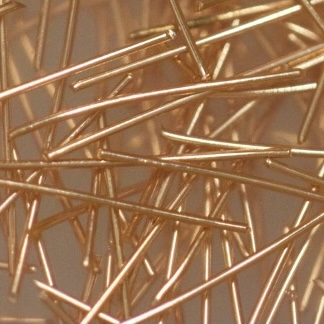
Robotic skin
Coming soon Giving robots a sense of touch: skins that feel contact anywhere on the body, on any surface. |
|
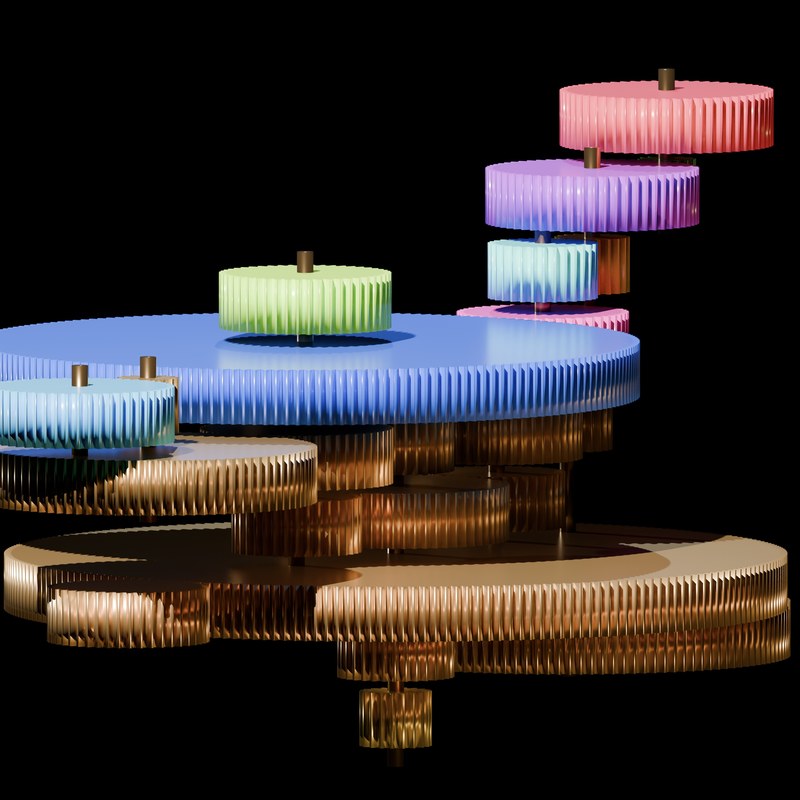
Machine perception of mechanical systems
Coming soon Teaching neural networks to understand machines by looking at them. |
BiomechanicsMeasurement methods for human movement, developed with Campus Bio-Medico University and the Hospital for Special Surgery. |
|
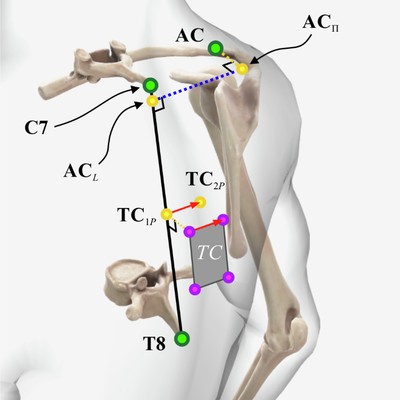
Posterior marker set for shoulder kinematic analysis using optoelectronic systems
Lorenzo De Sanctis, Arianna Carnevale, Lawrence V. Gulotta, Andreas Kontaxis, Emiliano Schena, Umile Giuseppe Longo Journal of Biomechanics, 2026 paper Tracks the entire shoulder complex from behind, using three custom 3D-printed clusters. It matches ISB-recommended marker sets (R² > 0.99) while keeping every marker visible to a rear-facing camera setup, unlocking kinematic assessment in clinics, field settings, and other constrained environments where front-facing markers are constantly occluded. |
|
Movement Smoothness Matters: The Missing Piece in the Functional Assessment of Rotator Cuff Patients
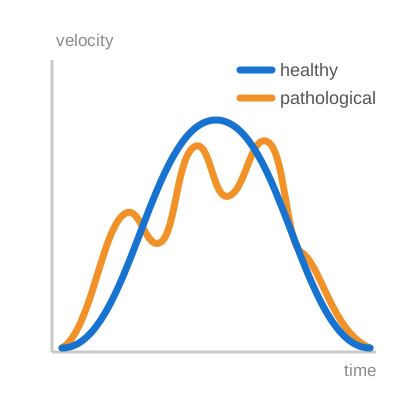
Letizia Mancini*, Lorenzo De Sanctis*, Emiliano Schena, Pieter D'Hooghe, Alessandro de Sire, Matilde Mancuso, Ara Nazarian, Arianna Carnevale, Umile Giuseppe Longo Journal of Experimental Orthopaedics, 2026 (* equal contribution) paper / pdf In 33 patients with rotator cuff tears, movement smoothness metrics reliably separated the pathological arm from the healthy one across every plane of elevation. Smoothness captures a dimension of movement quality that range of motion alone misses, pointing toward objective, motion-based functional assessment of the shoulder. |
|
Humeral axial rotation measurement through a proximal ulna marker cluster
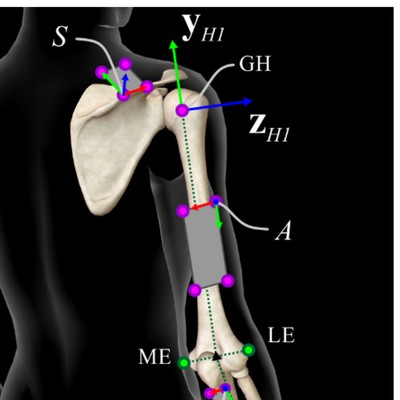
Lorenzo De Sanctis, Umile Giuseppe Longo, Arianna Carnevale, Minah Waraich, Lawrence V. Gulotta, Andreas Kontaxis Journal of Biomechanics, 2025 paper Moving the tracking cluster off the upper arm and onto the proximal ulna sidesteps soft-tissue artifact, the dominant error source in shoulder axial rotation. The indirect approach agrees with conventional tracking (R² > 0.99) while measuring a wider range of motion in pure axial rotation: more signal from the same cameras. |
|
Website template from Jon Barron. |